Our MissionOur goal is to demystify the medical alert dog training process and share the science behind these dogs' skills, to empower those with type 1 diabetes. By providing free training resources, we enable individuals to train their own alert dogs or find a reputable organization to train one for them. |
What We Provide
M.D. Dogs helps individuals with type 1 diabetes
train or obtain Diabetic Alert Dogs.
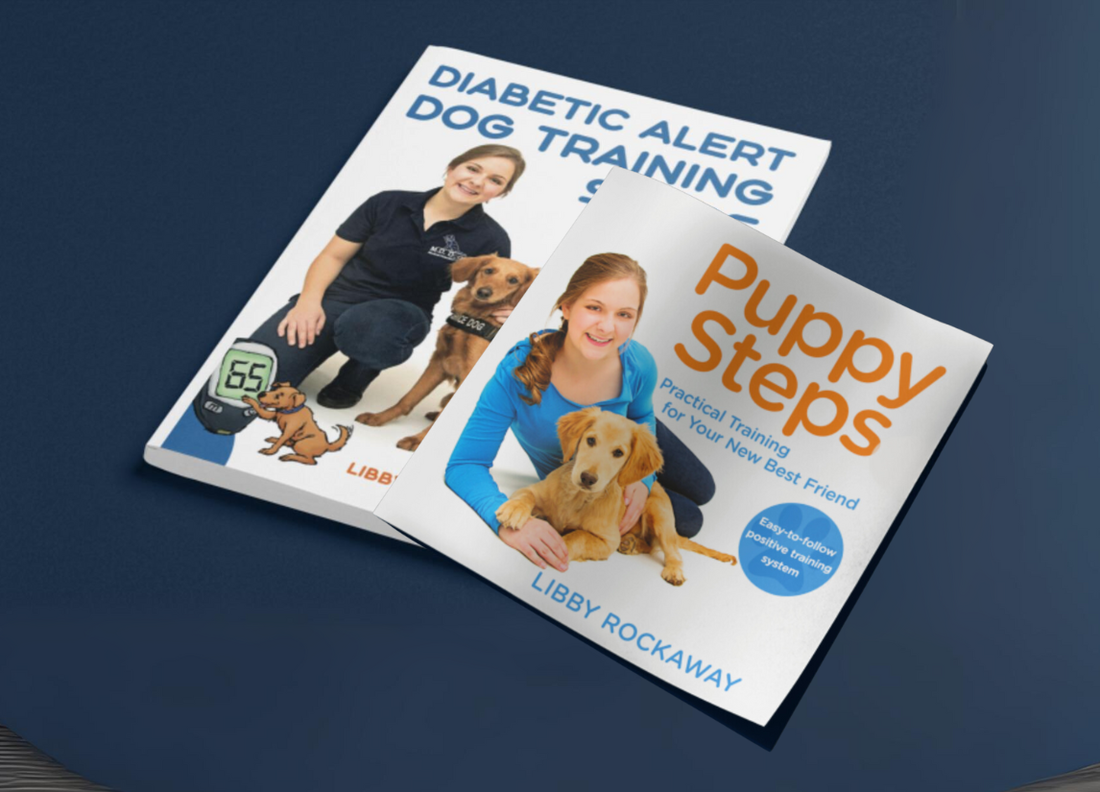
Free BookM.D. Dogs founder, Libby Rockaway, wrote the book Diabetic Alert Dog Training Steps. The 1st edition is available for free, or the 2nd edition can be purchased as a physical copy on Amazon.
|
Free VideosTo accompany our book, Diabetic Alert Dog Training Steps, we have also created over 30 videos demonstrating how to train an alert dog. This series takes you through the progression of an actual puppy as she learns to become a Diabetic Alert Dog.
|
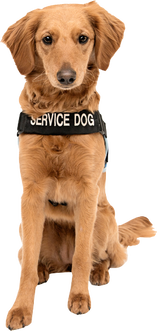
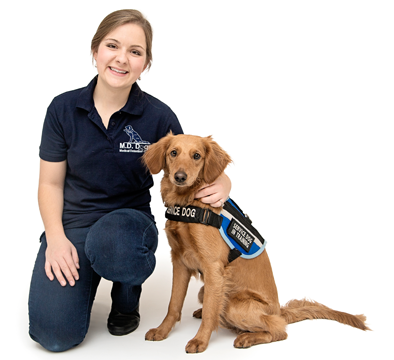
Trained Alert DogsEach year we train 2-4 Diabetic Alert Dogs and match them with individuals with type 1 diabetes. These dogs go through hundreds of hours of training and alert to blood sugars of 80mg/dL and below, and high blood sugars of 180mg/dL and above.
|
What's the catch?There isn't one! We are just a small nonprofit with a passion for bringing transparency to the field of Medical Alert Dogs. We offer classes and consultations with an MD Dogs trainer, physical copies of our book from Amazon for purchase, and fully trained Diabetic Alert Dogs, but these are all optional and are not necessary. All our self-training materials are available to the public for free.
|
Find our books on AmazonWritten to be easily understood through step-by-step instructions and illustrations, both Puppy Steps and DAD Training Steps set you and your dog up for success! Puppy Steps is geared toward foundations for both pet puppies and future Service Dogs, whereas DAD Training Steps gives you everything you need to train a Diabetic Alert Dog, from picking the right dog to perfecting alerts.
|
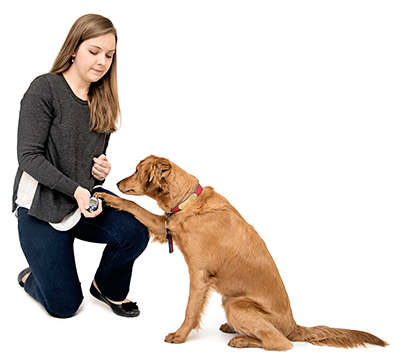
Proven, Positive TechniquesM.D. Dogs' methods utilize positive reinforcement to teach the dog that specific scents result in treats, praise, and excitement. The dogs are then taught to perform a specific behavior, such as pawing their handler's knee, when they detect the scent to receive their exciting rewards. The entire process is a game, resulting in the dogs being happy and confident when they work.
|
Quick ResultsIn addition to being less expensive than purchasing a fully trained dog, a benefit to training your own medical detection dog is that the dog will often begin helping you long before they have completed training. Even during the training process your dog will begin to alert to out of range blood sugars. This means that although they won't be perfect, the dog can begin to help keep their handler safe while still young, rather than waiting until the dog is completely mature to be placed and begin alerting.
|